Mesothelioma Lawsuit vs Asbestos Trust Claim - What's the Difference?
Distinguishing the Two Forms of Claims
Mesothelioma can place severe burdens on its patients and their loved ones. Since mesothelioma is often linked with asbestos exposure, victims of the disease may want to file a legal case in order to receive compensation. There are several forms of such lawsuits, two of which include a mesothelioma lawsuit and an asbestos trust fund claim. Despite the similar results of these actions, there are certain differences in the way these processes work.
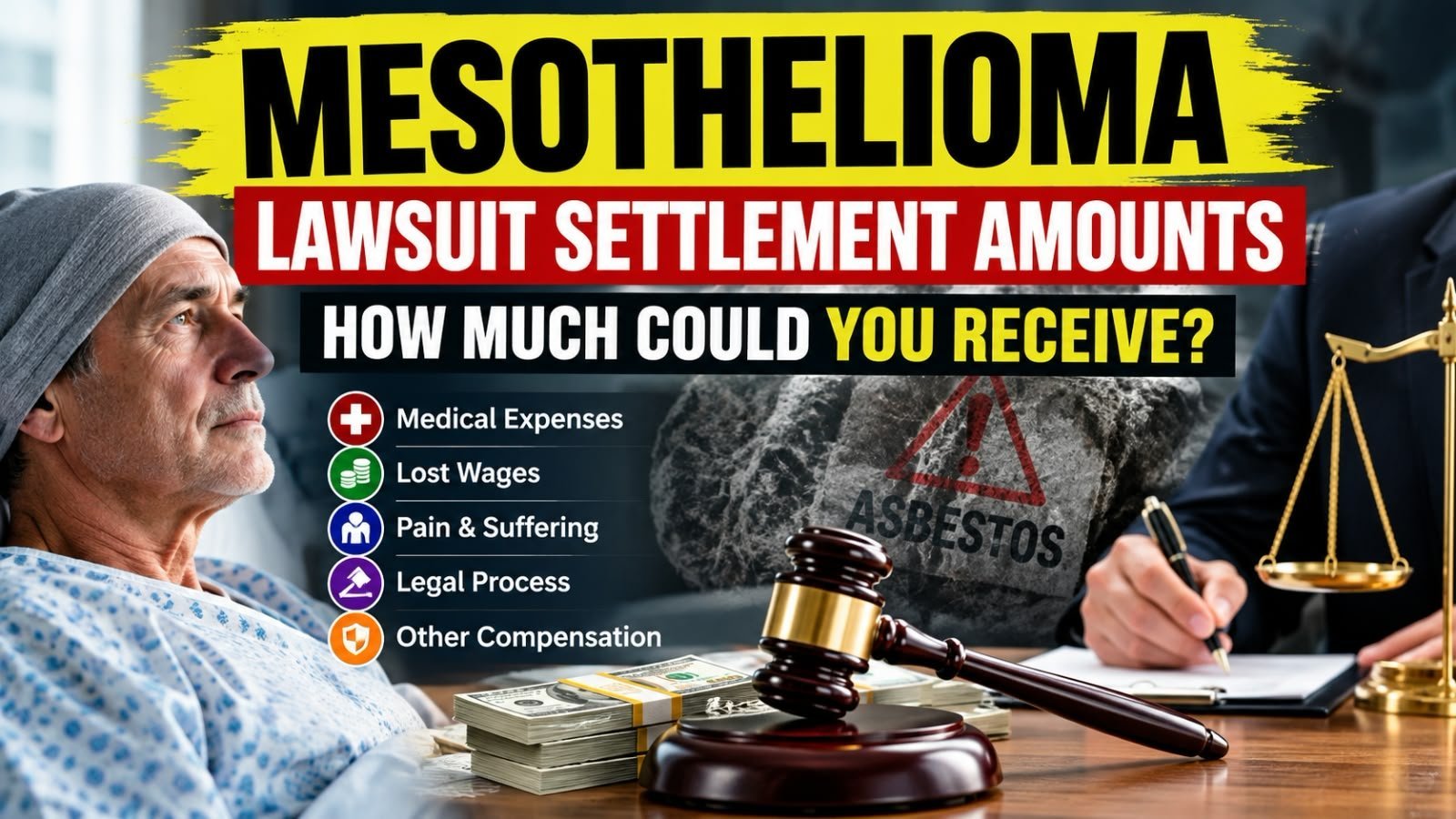
Mesothelioma lawsuits are generally filed as civil actions to collect compensation from companies or other entities which are possibly liable for asbestos exposure. Depending on the specifics of the case, it is possible to seek compensation for medical expenses, loss of income and other damage caused by the condition. Mesothelioma lawsuits generally pass through the court system and are eventually settled either by a settlement or trial.
Asbestos trusts are also used to compensate those who were exposed to asbestos. According to Section 524(g) of the U.S. Bankruptcy Code, bankruptcy reorganization may result in the creation of trusts which will manage asbestos claims and pay those who file their claim and meet certain qualifications.
Consequently, the most essential difference in these procedures lies in the process itself. While a lawsuit is initiated against a defendant via the court system, a trust claim is managed administratively within a bankruptcy trust.
However, in some cases, a person may need to pursue both a lawsuit and a claim in front of a bankruptcy trust. Nevertheless, in order to prevent contradictions, a person needs to act carefully when filing the case. The information provided in one procedure may be applied to another one. Due to the fact that such actions should be taken transparently, the U.S. Department of Justice has issued guidelines to ensure fairness of such proceedings.
Understanding the difference between these two types of claims can help a mesothelioma victim or his/her relative discuss compensation possibilities with an asbestos lawyer
How Does a Mesothelioma Lawsuit Work?
Mesothelioma lawsuit is a civil action against a defendant or several defendants who can have some relation to the plaintiff's asbestos exposure. Depending on the situation, the defendant can be the manufacturer, supplier, contractor, employer, or another company.
The most important aspect of a mesothelioma case is finding out the place and way of asbestos exposure of a plaintiff. Mesothelioma has a long latency period, which means that the development of this disease can take years after the initial exposure. Therefore, it is important to find out a person's employment history, workplaces, products, military service, and other places where he/she can be exposed to asbestos.
Evidence can be medical reports, employment reports, product details, witness testimonies, work history, and other documents which prove a connection between a person and asbestos exposure.
After the lawsuit has been filed, the next step can be entering the stage of discovery when both parties investigate the claims. Discovery includes such actions as depositions, exchange of information, document requests, expert testimonies, and others.
It is worth mentioning that many mesothelioma cases end up with settlement and not a trial. Settlement is an agreement between parties which helps to resolve a dispute without a need to have a judge or a jury who decides the matter.
If the parties cannot reach an agreement, the lawsuit will continue toward trial.
The amount of compensation differs in each particular case depending on a medical condition of an individual, his/her medical bills, lost earnings, proof of exposure, involved companies, state law, and other circumstances.
Another very important issue is the statute of limitations, the deadline to file an asbestos lawsuit depending on the jurisdiction and circumstances of the claim.
Therefore, a lawsuit is the legal process involving several steps before the compensation will be received. If you consider such an option, you need to receive advice from an attorney specializing in asbestos litigation
Asbestos Trust Fund Claim Process
The asbestos trust fund claim process is unique compared to the traditional legal claim. Asbestos trusts came into being largely as a result of bankruptcy cases that had substantial liabilities for asbestos-related claims. The Section 524(g) of the U.S. Bankruptcy Code governs certain asbestos bankruptcy trusts. A trust fund then takes care of the qualified claims against the reorganized business.
Instead of a traditional lawsuit against a bankrupt firm, the person making a claim files his claim with the appropriate trust. The trust reviews the claim in accordance with the documents and procedures provided by the trust.
The trust claim process could include providing documentation that proves that the claimant has a disease that qualifies for compensation under the trust fund program and that he was exposed to asbestos from the products of or the operations of the company represented by the trust. The documents could include medical, employment, worksite or product information, affidavits and other pertinent documents.
The major difference here is that the claim process itself differs considerably from the traditional civil lawsuit. There is usually no trial against the bankrupt company; the claim is reviewed through the procedures set forth by the particular trust.
Submitting a trust claim does not automatically qualify the claimant for compensation though. He has to satisfy the requirements set forth by the trust. The requirements may differ for different trusts in terms of the required documentation and procedure and also in terms of how much medical proof and evidence of exposure will be required.
One more issue that is important is how much money a person could get from the trust. The trust may determine a value of the claim and then apply a payment percentage or make another adjustment. The result is that the payment may not be the same as the value of the claim.
The Department of Justice has stressed the importance of accurate and reliable information in asbestos trust proceedings. Therefore, the claims that involve different trusts or litigation should be coordinated carefully.
Considering all this, it is essential that anyone planning to make a trust claim reviews the requirements and obtains appropriate assistance
Important Differences between Lawsuits and Trust Claims
Comparison of lawsuits for mesothelioma compensation and filing asbestos trust funds allows one to distinguish the differences between them.
Against whom is the claim?
Typically, a mesothelioma lawsuit is initiated against the companies or others liable for causing the illness. The asbestos trust fund claim is filed against an established trust of the company.
Where is the claim filed?**
Lawsuit is handled within the civil courts and includes pleading, discovery, depositions, negotiations, motions, and even a trial.
Asbestos trust claims are processed according to an administrative process created by a certain asbestos trust.
Claims may need proof of an asbestos-caused illness and exposure. Nonetheless, each type of claim requires different evidence.
Medical records may be used for proving the disease, whereas employment, work experience, products, military, and witness testimony can be used to prove exposure.
How the compensation is awarded?
Depending on the specifics of the case, compensation is granted following the negotiations or court decision.
Compensation in the asbestos trust claim is granted based on the specific rules of the trust. Some trusts use the value schedule, percentages of payments or other mechanisms when making payments.
Is there an option to file both claims?
Sometimes, yes. People may have possible claims not only against companies, which established trusts but also other companies, which can still be sued. However, the interrelation of those claims is quite complicated.
The US Department of Justice specifically described the relationship of asbestos trust claims and civil litigation and highlighted the importance of clarity about claims made through different sources.
Which process is faster?
Unfortunately, there is no definitive answer. Time needed for the lawsuit depends on many factors like court, defendants, evidence, negotiations, and litigation strategy. Asbestos trust claims also depend on the particular trust and completeness of the documentation provided.
At the end of the day, the choice between the two processes depends on many things including the history of individual exposure, the companies, evidence, law and presence of asbestos trust funds
Which Option May Be Appropriate?
Is there a right answer to which option a person may take for their situation? There is none, and the correct answer will depend on the specifics of one's asbestos exposure experience, diagnosis, the companies involved, the evidence available, the applicable state laws, and whether there are any bankruptcy trusts set up by relevant companies.
If the exposure and resulting disease is attributable to the company still susceptible to civil litigation, it means that litigation is a possibility for an asbestos lawsuit.
Asbestos trust funds claim may be available when asbestos exposure was caused by a company, liabilities of which were taken over by a bankruptcy trust. Thus, such claim provides an alternative path of compensation without the need to pursue litigation against the relevant bankrupt company.
Sometimes a person might have potential claims against both bankruptcy trusts and in litigation. For instance, the employment history of a person can include work with several companies producing asbestos products. Some companies may have bankruptcy trusts set up, while other companies may stay potential defendants in the litigation.
Nevertheless, such claims should not be treated as independent. The information provided in one process might become important for another. The Justice Department has been insisting on the need for transparency and consistency in asbestos claims including the information concerning other sources of compensation.
It may be useful to collect beforehand your medical records, employment history, information about the military service if applicable, worksites' information, information about products you used to work with and information about your potential asbestos exposure.
An attorney experienced in mesothelioma and asbestos litigation can review all these facts and give you information about your legal options. Since many deadlines and eligibility requirements differ, one shouldn't assume that he or she has infinite time to file for compensation.
Final Takeaway
The general difference is quite simple: mesothelioma lawsuit aims to get compensation via civil litigation, while asbestos trust fund claim is meant to get compensation through bankruptcy trust handling asbestos liabilities.
Both legal avenues do not guarantee compensation and are based on the eligibility criteria and applicable legal standards.
*This article is for general informational purposes only and is not legal advice. Laws regarding mesothelioma and asbestos vary by jurisdiction and personal circumstances. Readers should consult a qualified attorney regarding a specific claim
Editorial & Jurisprudential Disclaimer: This publication is prepared strictly for educational, academic, and legal research purposes and does not constitute formal legal counsel. For specific legal representation or jurisdiction-specific advice, consult a licensed attorney admitted to practice before the competent bar.